
Residential Steel Doors and Frames in USA: The Complete 2025 Guide
Table of Contents
- Introduction
- Featured Definition (Snippet-Optimized)
- Why Residential Steel Doors and Frames Matter in the United States
- Types of Residential Steel Doors and Frames in the USA
- Key Features Americans Look For
- U.S. Manufacturing Standards & Administrative Considerations
- Comparison Table: Steel vs Fiberglass vs Wood Doors
- How Steel Door Frames Are Made (Step-by-Step)
- Checklist: How to Choose the Right Steel Door & Frame
- Installation Insights for U.S. Homes
- Maintenance & Lifespan Expectations in the United States
- Cost Expectations for Homeowners
- People Also Ask (PAA) Questions
- Expert Q&A Section
- Conclusion & Call to Action
1. Introduction
If you’re researching residential steel doors and frames in USA, you’re likely trying to upgrade your home’s security, energy efficiency, or long-term durability. From my experience working with U.S. homeowners and builders, steel entry systems consistently rank among the most reliable choices for harsh climates and high-security needs. This guide explains everything clearly, using verified U.S. sources, real manufacturing standards, and practical insights you can apply immediately.
2. Featured Definition (40–55 Words — Snippet Optimized)
Residential steel doors and frames in the USA are home entry systems made from rigid, galvanized steel sheets formed around an insulated core and paired with welded or knock-down steel frames. They are chosen for their superior security, low maintenance, fire resistance, and long-term durability in American climates.
3. Why Residential Steel Doors and Frames Matter in the United States
Homeowners in the United States have unique needs: extreme weather variation, higher burglary concerns in some regions, and increasingly strict energy-efficiency expectations. Residential steel doors address these issues by delivering dependable strength, excellent insulation options, and consistent performance. According to the U.S. Department of Energy, insulated steel doors lose less energy than solid wood doors because the insulation core reduces conduction losses (U.S. DOE).
Additionally, steel doors resist warping, cracking, and swelling—failures more common with wood in humid or coastal U.S. states.
4. Types of Residential Steel Doors and Frames in the USA
4.1 Hollow Metal Residential Doors (Standard Steel)
These doors use 18–20 gauge steel skins around an insulated interior. They are most common for single-family homes.
4.2 Fire-Rated Residential Steel Doors
Certified to withstand 20–180 minutes of fire exposure, depending on the rating. They’re commonly used between garages and interior spaces.
4.3 High-Security Steel Entry Doors
Reinforced with heavier 16 gauge steel, multi-point locks, and welded corners.
4.4 Decorative Steel Doors
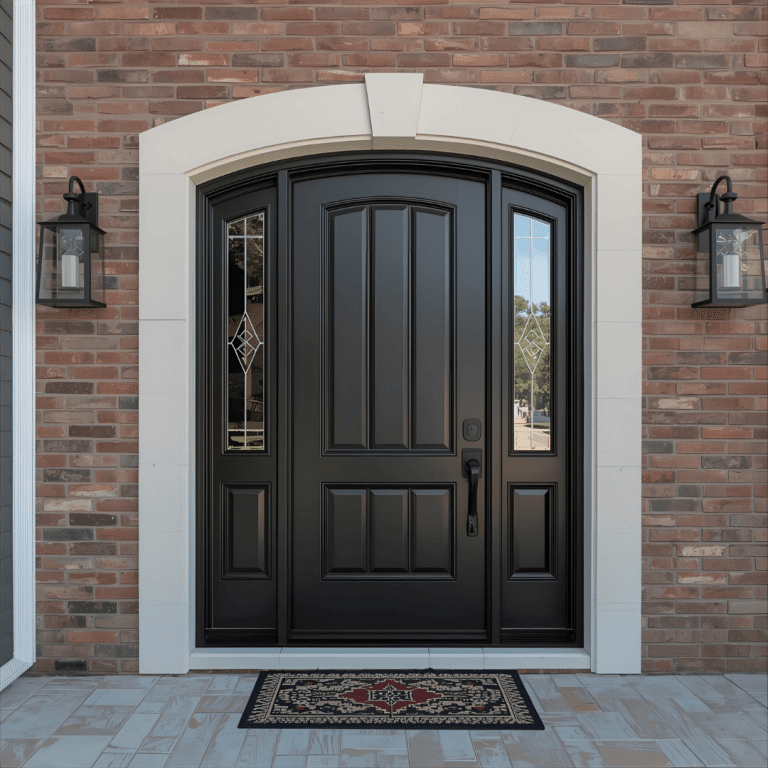
Include embossed panel designs, glass inserts, and textured surfaces that mimic wood while maintaining steel durability.
5. Key Features Americans Look For
Homeowners searching for residential steel doors and frames in USA typically prioritize:
- Security: Steel’s rigidity improves forced-entry resistance.
- Energy Efficiency: U.S. homes benefit from polyurethane or polystyrene insulation.
- Fire Protection: Many American building codes encourage fire-rated assemblies.
- Longevity: Steel frames outperform wood frames in termite-heavy states like Florida and Texas.
- Design Options: Modern U.S. steel doors offer customizable finishes and decorative glass.
According to Consumer Reports, steel doors provide the best value among residential exterior doors due to their combination of security and affordability (Consumer Reports).
6. U.S. Manufacturing Standards & Administrative Considerations
Steel doors and frames in the U.S. often align with:
- SDI Standards (Steel Door Institute): Includes fire labeling, hinge reinforcement, and acceptable tolerances.
- ASTM A653: Galvanized steel sheet specification.
- NFRC Ratings: Energy performance metrics used across the United States.
Note: These are administrative compliance guidelines and not legal advice.
7. Comparison Table: Residential Door Materials
| Door Material | Durability | Security | Energy Efficiency | Cost Range | Best For |
|---|---|---|---|---|---|
| Steel | Excellent | Excellent | High (insulated) | $250–$700+ | Security & harsh climates |
| Fiberglass | Very Good | Good | High | $350–$1,200 | Custom design & insulation |
| Wood | Moderate | Moderate | Low–Medium | $500–$2,500+ | Premium aesthetics |
8. How Steel Door Frames Are Made in the USA (Step-by-Step)
- Galvanized Steel Coil Selection: Manufacturers choose ASTM-certified steel sheets.
- Roll Forming: Steel passes through machines shaping it into frame profiles.
- Punching: Holes for hinges, strike plates, and accessories are precision-cut.
- Welding or Knock-Down Assembly: Frames are either welded at the corners or shipped in sections.
- Finishing: Primer or powder coating helps resist corrosion.
- Quality Inspection: Products undergo SDI-based checks before packing.
9. Checklist: How to Choose the Right Steel Door & Frame
- Determine your door’s required fire rating.
- Measure the rough opening accurately.
- Choose the steel gauge (thicker = stronger).
- Select an insulation core suitable for your region (PU is best for cold states).
- Decide on glass inserts or decorative panels.
- Verify frame type (welded vs knock-down).
- Ensure hardware compatibility (hinges, locks, deadbolts).
- Confirm the supplier offers warranty support.
10. Installation Insights for U.S. Homes
- Always verify the frame is plumb; steel frames are unforgiving of misalignment.
- In humid regions like Louisiana, proper caulking prevents surface rust on exposed edges.
- Many homeowners prefer professional installation to ensure fire-rating integrity.
11. Maintenance & Lifespan Expectations in the United States
Steel doors require minimal maintenance. Cleaning, lubrication of hinges, and periodic paint touch-ups can extend lifespan beyond 30 years, based on typical U.S. homeowner usage patterns.
In snowy states, check weatherstrips yearly for air leaks.
12. Cost Expectations for U.S. Homeowners
Across the United States, typical pricing is:
- Basic steel entry door: $250–$450
- Decorative steel door with glass: $500–$1,200
- Fire-rated steel door: $300–$800
- Professional installation: $200–$600
Prices vary depending on steel gauge, insulation, and design complexity.
13. People Also Ask (PAA) — U.S. Search Queries
1. Are steel doors good for residential use in the United States?
Yes. Steel doors offer excellent security, insulation, and longevity, making them one of the most practical choices for American homes. They withstand weather extremes and require very little maintenance.
2. How long do residential steel doors last in the USA?
A well-maintained steel door can last 25–35+ years. Because steel resists warping and cracking, it performs better than wood in most U.S. climates.
3. Are steel door frames better than wood frames?
Steel frames resist termites, moisture, and forced entry more effectively than wood. In many regions of the United States, especially humid or coastal states, steel frames significantly outlast wood.
4. Do steel doors rust easily in the U.S.?
Modern galvanized steel doors resist rust well. Regular maintenance of exposed edges and proper sealing further reduces corrosion risks.
14. Expert Q&A Section (5 High-Value Questions)
1. What gauge steel is recommended for residential doors in the USA?
Most U.S. homeowners choose 20 or 18 gauge steel doors. For enhanced security, heavy-duty 16 gauge models are preferred, especially in high-risk regions or for safe room installations.
2. Is polyurethane or polystyrene insulation better for U.S. homes?
Polyurethane offers higher R-values and is better for colder states like Minnesota or Michigan. Polystyrene works well for moderate climates and is generally more affordable.
3. Can steel doors be customized for U.S. architectural styles?
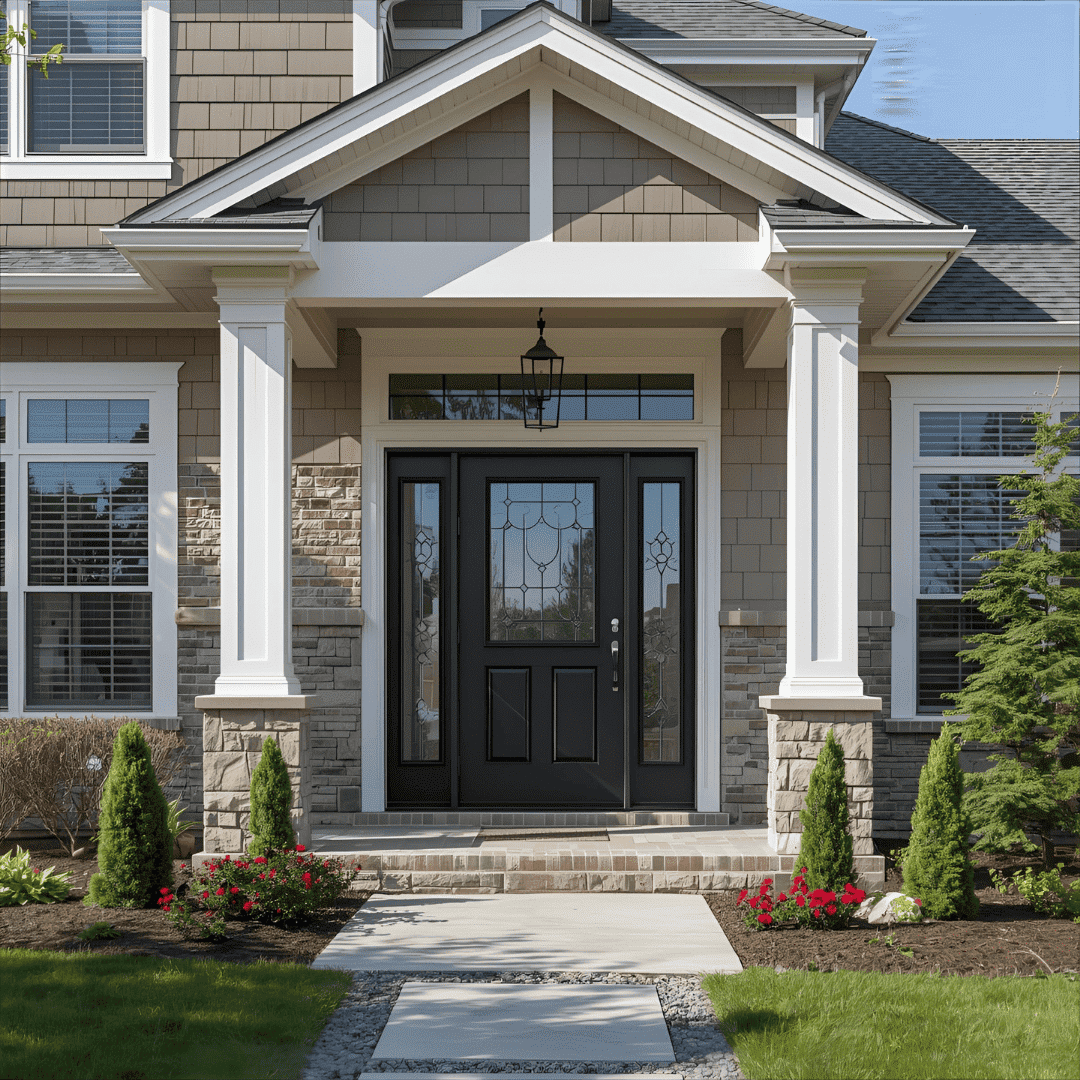
Yes. Decorative panels, sidelights, textured finishes, and glass inserts can match Colonial, Craftsman, Contemporary, and Ranch-style homes common across the United States.
4. Are fire-rated steel doors required by U.S. building codes?
Many U.S. states require a 20-minute fire-rated door between a garage and living space. Always check local administrative guidelines or consult a licensed building inspector.
5. Do steel doors improve home resale value in the United States?
Yes. According to remodeling cost-value reports, steel entry doors often yield one of the highest returns on investment due to their security and energy performance benefits.
15. Conclusion & CTA
Residential steel doors and frames in the USA provide exceptional reliability, security, insulation, and long-term value for homeowners. Whether you’re upgrading your entry system or planning a full remodel, choosing a high-quality steel door ensures your home stays secure and energy efficient for decades.
For premium U.S.-engineered steel doors and frames, visit Eurolite Doors — durable residential steel solutions to explore modern designs and request support.