
Ultimate Guide to Exterior Steel Doors in USA: 2025 Review
Table of Contents
- Introduction: The New Face of American Home Security
- What Are Exterior Steel Doors in USA? (Featured Snippet)
- The Unbeatable Case: Why Choose Exterior Steel Doors in the USA?
- Benefit 1: Unmatched Security and Peace of Mind
- Benefit 2: Supreme Energy Efficiency for US Climates
- Benefit 3: Impressive Durability and Weather Resistance
- Benefit 4: Fire Protection: A Critical Safety Feature
- The Anatomy of a High-Quality Exterior Steel Door
- Steel Gauge Explained: Why Lower is Stronger
- The Core of the Matter: Polyurethane vs. Polystyrene
- Comparison Table: Insulation Core Types
- Essential Components: Thermal Breaks, Weatherstripping, and Thresholds
- People Also Ask About Exterior Steel Doors
- A Practical Buying Guide for Exterior Steel Doors in the USA
- Match Your Door to Your US Climate Zone
- Understanding US Certifications: ENERGY STAR and NFRC
- Navigating Local US Building Codes and HOAs
- Aesthetics: The Modern Look of Exterior Steel Doors
- Installation and Maintenance of Your Exterior Steel Door
- Why Professional Installation is Non-Negotiable
- Checklist: Hiring a US Door Installation Professional
- Long-Term Maintenance for Your Exterior Steel Door
- Expert Q&A on Exterior Steel Doors in USA
- Conclusion: The Secure, Smart, and Stylish Choice for Your US Home
1. Introduction: The New Face of American Home Security
Your front door is the public face of your home, the first impression for guests, and the handshake that welcomes you home every day. But as an exterior component, it’s also a hardworking guardian. It must stand strong against intruders, seal out the weather, and maintain its beauty despite years of sun, rain, and snow. When it comes to exterior steel doors in USA, homeowners are often looking for a ‘trifecta’ of benefits: uncompromising security, long-term energy savings, and outstanding durability. In the past, this might have meant sacrificing style, but today’s market has evolved.
In my years of experience helping US homeowners navigate their entryway upgrades, I’ve seen how the right steel door can fundamentally improve a home’s comfort and security. The challenge is no longer if you can find a good steel door, but how to choose the right one from a sea of options. This guide is designed to cut through the jargon. We’ll explore the critical specifications that matter—from steel gauge to insulation cores—and provide a practical framework for selecting an exterior steel door that is perfectly suited for your American home, your climate, and your peace of mind.
2. What Are Exterior Steel Doors in USA? (Featured Snippet)
Exterior steel doors in USA are residential entry systems prized for their strength. They consist of a steel “skin” (typically 20-26 gauge) over an insulated core (like polyurethane foam) and are designed to withstand weather, provide high security, and improve energy efficiency in American homes. They are a popular, low-maintenance choice for front, back, and garage-entry doors.
3. The Unbeatable Case: Why Choose Exterior Steel Doors in the USA?
In a market filled with wood and fiberglass options, steel consistently emerges as a top contender for American homeowners. The reasons are not just practical; they’re substantial.
Benefit 1: Unmatched Security and Peace of Mind
This is the primary reason many choose steel. An exterior steel door is a formidable deterrent.
- Forced Entry Resistance: The steel skin, combined with a reinforced lock-block and a steel or composite frame, makes the door exceptionally resistant to being kicked in, pried, or forced. From my experience, a 20- or 22-gauge steel door provides a level of security that wood and fiberglass simply cannot match.
- Structural Integrity: Unlike wood, steel does not warp, bow, or crack over time due to temperature or humidity changes. This means your door remains perfectly aligned in its frame, ensuring the deadbolt and lockset engage correctly every single time, year after year.
Benefit 2: Supreme Energy Efficiency for US Climates
It’s a common myth that steel doors are cold. The truth is the exact opposite.
- High R-Value: The insulating power of an exterior door comes from its core. Steel doors are filled with either a rigid polystyrene board or, more effectively, an injected polyurethane foam. This gives them an R-value (a measure of thermal resistance) that is often five to six times greater than a solid wood door.
- Lower Utility Bills: This high R-value means your door is a barrier, not a-sieve. In a cold Minnesota winter, it keeps the heat in. In a hot Arizona summer, it keeps the heat out. This translates directly into lower energy bills, and many exterior steel doors in USA meet the stringent requirements to be ENERGY STAR certified, which can save you an average of 7-12% on your energy costs.
Benefit 3: Impressive Durability and Weather Resistance
If you’re tired of the endless cycle of sanding, staining, and painting a wood door, steel is your answer.
- Low Maintenance: Modern steel doors are made from galvanized (zinc-coated) steel to prevent rust. They typically come with a durable, factory-applied, baked-on finish. An occasional cleaning with mild soap and water is all that’s needed to keep it looking new.
- Weatherproof: Steel doesn’t absorb moisture, so it won’t swell or rot like wood in humid US climates like Florida or Louisiana. It won’t delaminate or crack from UV exposure like some older fiberglass models. It simply stands up to the elements.
Benefit 4: Fire Protection: A Critical Safety Feature
An often-overlooked benefit of steel is its natural fire resistance. Steel is non-combustible. Many exterior steel doors, especially those designed for the entryway between an attached garage and the home, come with a 20-minute fire rating. This rating, often guided by standards from the National Fire Protection Association (NFPA), means the door can withstand a fire and block its spread for 20 minutes, giving your family precious time to escape.
4. The Anatomy of a High-Quality Exterior Steel Door
Not all steel doors are created equal. When you’re shopping, the “spec sheet” is your best friend. Here’s what to look for.
Steel Gauge Explained: Why Lower is Stronger
The single most important factor for security is the steel’s thickness, which is measured in “gauge.” The terminology is counter-intuitive: the lower the gauge number, the thicker and stronger the steel.
- 20-22 Gauge: This is a premium, heavy-duty door. The steel is noticeably thicker and far more resistant to dents and forced entry. I always recommend this range for a primary front door.
- 24 Gauge: This is a very common, solid, and reliable “builder-grade” or “standard” option. It provides excellent security and value for most US residential homes.
- 26 Gauge or Higher: This is a thinner, “economy” grade. While it’s still steel, it’s much more prone to denting and flexing. I would typically reserve this for a utility shed or a door that won’t see much use or security risk.
The Core of the Matter: Polyurethane vs. Polystyrene
The material inside the steel skins dictates your door’s R-value, strength, and sound-dampening qualities.
- Polyurethane (Injected Foam): This is the superior, high-performance option. The foam is injected as a liquid and expands to fill 100% of the door’s internal cavity, bonding chemically to the steel skins. This creates a single, incredibly strong, and rigid unit with the highest possible insulation (R-12 to R-16).
- Polystyrene (Rigid Board): This is a solid, rigid foam board (like a high-end Styrofoam) that is cut and placed inside the door. It is a good, cost-effective insulator (R-8 to R-10) but does not offer the same structural rigidity or complete, gap-free insulation as polyurethane.
Comparison Table: Insulation Core Types
| Feature | Polyurethane Core | Polystyrene Core |
| Insulation (R-Value) | Excellent (R-12 to R-16) | Good (R-8 to R-10) |
| Structural Rigidity | Very High (Bonds to steel) | Moderate |
| Sound Dampening | Excellent (Fills all cavities) | Good |
| Cost | Higher | More Budget-Friendly |
| Best For | All US climates, especially very cold or hot zones. | Moderate US climates; budget-conscious buyers. |
Essential Components: Thermal Breaks, Weatherstripping, and Thresholds
An exterior door is only as good as its seal.
- Thermal Break: This is a non-negotiable feature for most of the US. A “thermal break” is a small, non-conductive composite or vinyl component that separates the interior and exterior steel skins of the door frame. Steel is a conductor; without this break, the icy-cold from the outside frame would travel directly to the inside frame, causing frost and condensation to form inside your house.
- Weatherstripping: Look for high-quality magnetic or compression weatherstripping that forms a tight, 360-degree seal around the door.
- Adjustable Threshold: The threshold (the part you step over) should be adjustable so you can create a perfect, draft-free seal with the “door sweep” at the bottom of the door.
5. People Also Ask About Exterior Steel Doors
- Are exterior steel doors better than fiberglass?It’s a trade-off. Steel is generally stronger, more secure, and less expensive. Fiberglass is more resistant to dents and scratches and can offer a more realistic, paintable or stainable wood-grain texture. Both are excellent, energy-efficient choices for US homes.
- Do exterior steel doors rust in the USA?Modern, high-quality steel doors do not rust under normal conditions. They are constructed from hot-dip galvanized (zinc-coated) steel and are protected by a multi-layer, factory-applied primer and paint finish. Rust would only become an issue if the door was deeply gouged to the bare metal and left unrepaired in a very wet environment.
- How much do exterior steel doors cost in the US?The cost varies dramatically. A basic, 24-gauge, unpainted exterior steel door “slab” from a big-box store might start around $300. However, a complete, pre-hung, polyurethane-insulated, 20-gauge steel entry system with a premium finish, decorative glass, and sidelights can easily cost $3,00B to $6,000 or more, plus professional installation.
6. A Practical Buying Guide for Exterior Steel Doors in the USA
You’ve got the specs. Now, how do you apply them to your specific situation?
Match Your Door to Your US Climate Zone
The “best” door for the USA is relative to where in the USA you live.
- Cold Climates (e.g., Northeast, Midwest): Your priority is maximum thermal performance. You must insist on a polyurethane core (high R-value) and a system with a thermal break. High-quality, multi-point weatherstripping is also critical to block drafts.
- Hot & Humid Climates (e.g., Southeast): Your priority is moisture and corrosion resistance. While all quality doors are galvanized, look for finishes with high-humidity resistance. If you are in a hurricane-prone area (like Florida or the Gulf Coast), you must look for doors with a specific “impact rating” or “hurricane rating” to comply with local building codes.
- Hot & Dry Climates (e.g., Southwest): Your priority is UV resistance. The intense sun can fade and crack poor-quality finishes. Look for factory-applied finishes with high UV-inhibitor ratings to prevent your door’s color from chalking or fading.
Understanding US Certifications: ENERGY STAR and NFRC
Don’t just trust the marketing. Look for these two labels.
- ENERGY STAR®: This is the U.S. Environmental Protection Agency (EPA) program. A door with this label has been independently certified to meet strict energy-efficiency guidelines specific to your climate region.
- NFRC: The National Fenestration Rating Council label is even more detailed. It doesn’t tell you if a door is good; it tells you how it performs. It gives you the specific R-Value (or its inverse, U-Factor) so you can compare an “apples-to-apples” efficiency rating.
Navigating Local US Building Codes and HOAs
This is an administrative task, not legal advice, but it’s a critical one. Before you fall in love with a door, check two things:
- Local Building Codes: Your city or county may have specific requirements for exterior doors, especially regarding fire ratings (for garage-to-home doors) or impact ratings (in coastal areas).
- Homeowners Association (HOA): If you live in a community governed by an HOA, they often have very strict rules about the style, color, and even material of your front door. Always get written approval from your HOA before you purchase.
Aesthetics: The Modern Look of Exterior Steel Doors
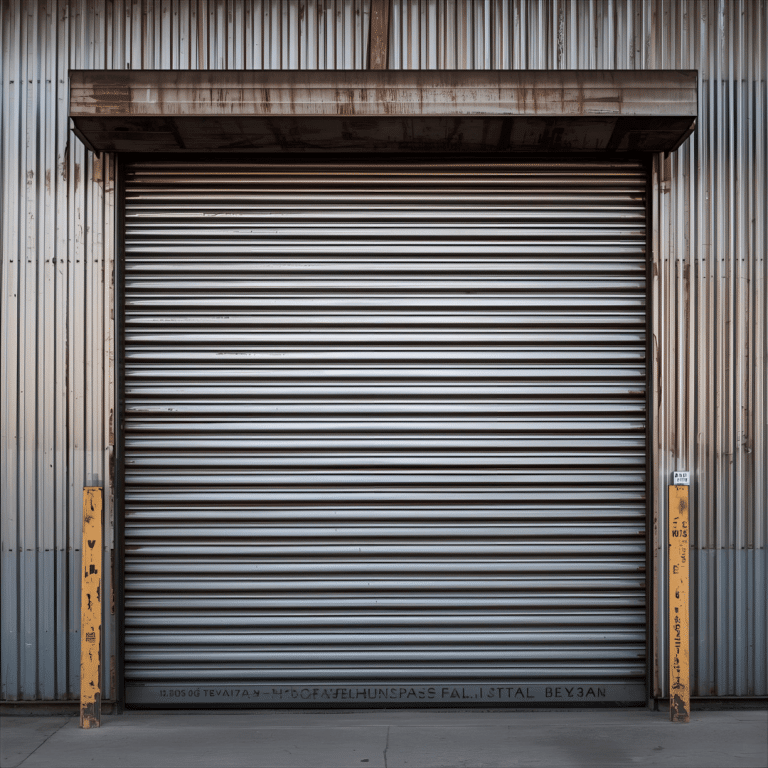
Forget the flat, gray, industrial door. Modern exterior steel doors in USA are design chameleons.
- Finishes: You can get them in a rainbow of smooth, factory-painted colors.
- Wood-Grain Textures: High-definition embossing can create a deeply textured wood-grain finish that realistically mimics oak, mahogany, or fir, especially when professionally stained.
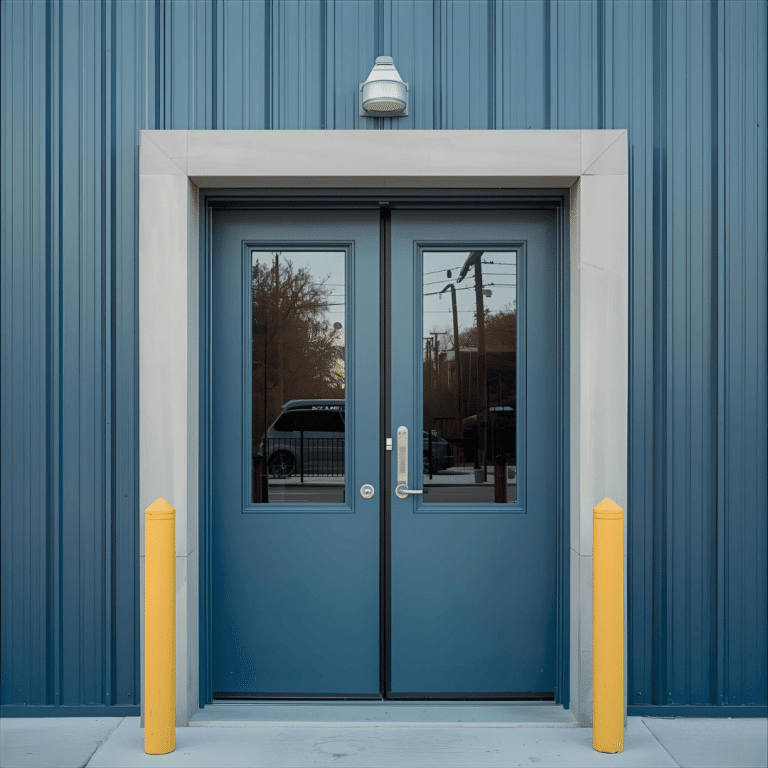
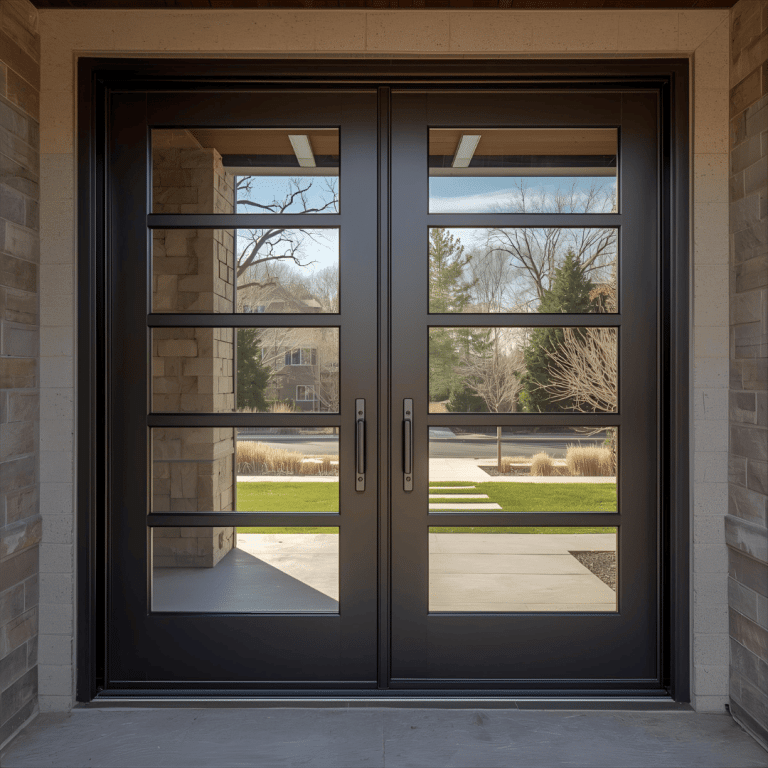
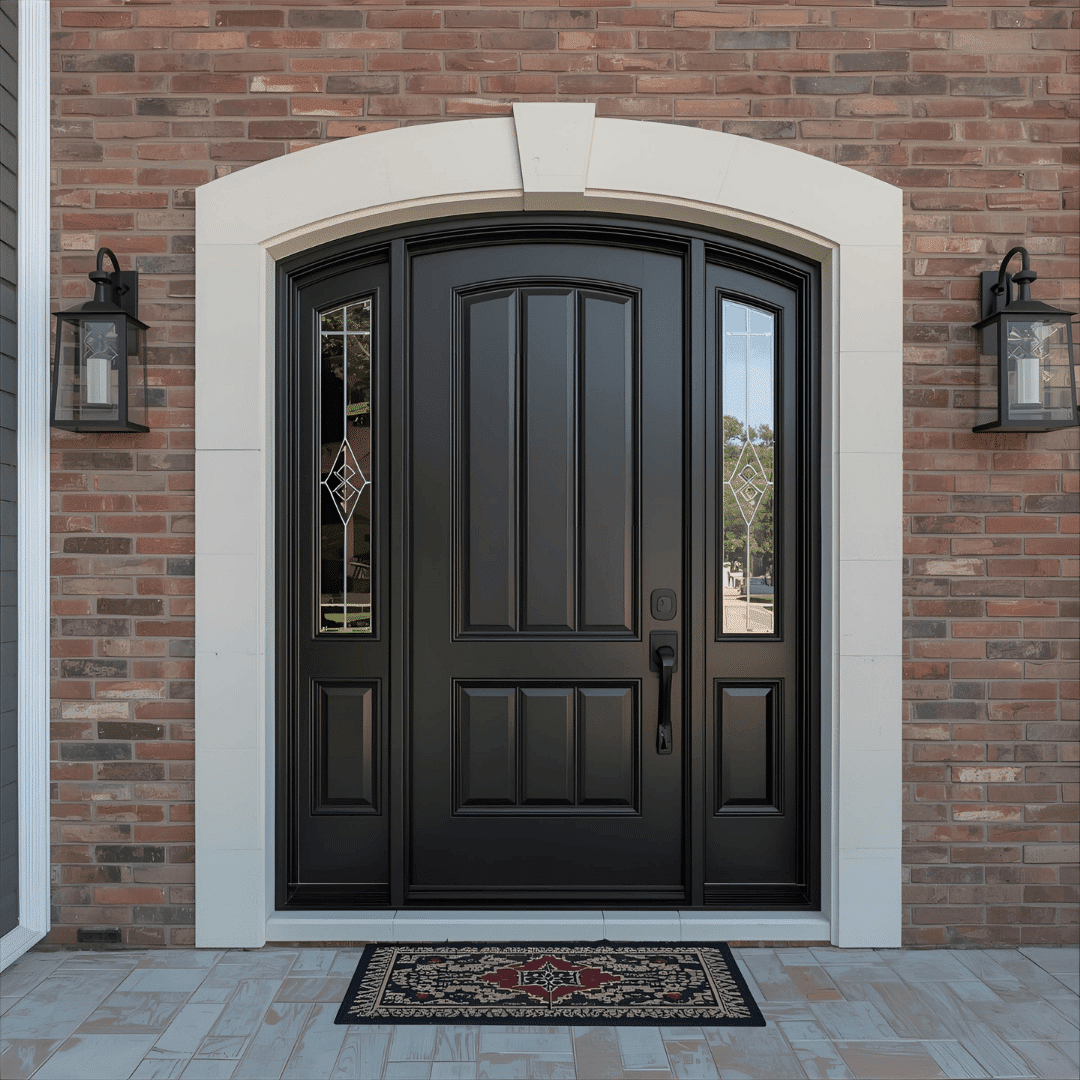
- Glass Inserts (“Lites”): You can customize your door with a huge variety of glass options—from full-view glass panels for a modern look to decorative, frosted, or privacy glass that lets in light while maintaining security.
7. Installation and Maintenance of Your Exterior Steel Door
You can buy the best door in the world, but if it’s installed improperly, it will fail.
Why Professional Installation is Non-Negotiable
I’ve seen many ambitious DIY projects end in frustration. It is almost impossible to just buy a new door “slab” and have it fit perfectly into your old frame. Houses settle, frames go out of square, and creating a weather-tight seal is a job of millimeters.
Exterior steel doors are sold as “pre-hung” systems, which include the door, the frame, the threshold, and the weatherstripping, all factory-engineered to work together. A professional installer ensures this entire unit is set perfectly level, plumb, and square. This is the only way to guarantee a draft-free seal, a smooth operation, and a valid warranty.
Checklist: Hiring a US Door Installation Professional
- Get Multiple, Itemized Bids: Contact at least three installers. Ask for a written, itemized quote that breaks down the cost of the door, installation labor, and any new trim or hardware.
- Check for License & Insurance: Ask for proof of general liability insurance and (where required) a state or local contractor’s license.
- Read Recent Reviews: Look for reviews on Google, Yelp, or Angi that are specific to door installation, not just general contracting.
- Discuss the Full Scope: Will they be replacing the interior and exterior trim (molding)? Who is responsible for painting/staining the new trim?
- Ask About Warranty: A reputable installer will offer a warranty on their labor, which is separate from the door’s manufacturer warranty.
- Confirm Haul-Away: Ensure the removal and disposal of your old door and frame are included in the quote.
Long-Term Maintenance for Your Exterior Steel Door
Your steel door is low-maintenance, not no-maintenance.
- Clean: Once or twice a year, wipe the door with a soft cloth and a mild soap-and-water solution. Avoid harsh chemicals or pressure washers.
- Inspect: Check the weatherstripping and door sweep for any cracks, tears, or compression. These are cheap and easy to replace.
- Touch-Up: If you get a deep scratch that goes to the bare metal, clean it immediately and apply a small dab of rust-inhibiting primer and matching touch-up paint (available from the manufacturer). This prevents rust from ever getting a foothold. For a full-scale job, This Old House offers a reliable guide on painting metal doors.
8. Expert Q&A on Exterior Steel Doors in USA
- Q1: What is the best gauge for a residential exterior steel door in the US?For a primary exterior door, I strongly recommend a 20- or 22-gauge steel. This provides a premium level of security and dent resistance. A 24-gauge door is a solid, acceptable standard for most homes, but I would avoid anything with a higher gauge number (like 26) for an exterior entry.
- Q2: Can I paint my exterior steel door a different color?Absolutely. If the factory finish is in good shape, you just need to prepare it correctly. Clean it thoroughly, lightly scuff-sand the surface to help the new paint adhere, and use a high-quality exterior-grade paint and primer specifically formulated for metal surfaces.
- Q3: Are steel doors soundproof?While no door is truly “soundproof,” a polyurethane-insulated steel door is an excellent “sound-blocker.” The dense foam core, combined with the solid steel skins and a tight weather-seal, does a fantastic job of muffling exterior noise from traffic, neighbors, and weather, making your home’s interior much quieter.
- Q4: What’s the difference between a pre-hung system and a “slab” door?A “slab” is just the door itself. A “pre-hung” system is a complete, ready-to-install unit that includes the door slab, the frame (jambs), the hinges, the threshold, and the weatherstripping. For an exterior door, you should always buy a pre-hung system to ensure a perfect, weather-tight fit.
- Q5: Is a dent in a steel door repairable?It depends. Small dings and dents can sometimes be repaired by a patient DIYer using auto-body filler, sanding, and repainting. However, a large or sharp dent is very difficult to fix without it being noticeable. This is why fiberglass is considered more “dent-resistant,” though steel is far stronger against forced entry.
9. Conclusion: The Secure, Smart, and Stylish Choice for Your US Home
An exterior steel door is no longer a compromise. It is an intelligent, long-term investment in your home’s security, efficiency, and value. By choosing a door with a low gauge (like 20 or 22) for strength, a polyurethane core for maximum R-value, and a thermally-broken, pre-hung frame for a weather-tight seal, you are installing a guardian that will perform for decades.
This combination of raw strength, thermal performance, and low-maintenance longevity makes exterior steel doors in USA one of the most cost-effective and high-impact upgrades you can make. To find a door that combines all these features of security, efficiency, and style, we invite you to explore our curated collections at Eurolite Doors.