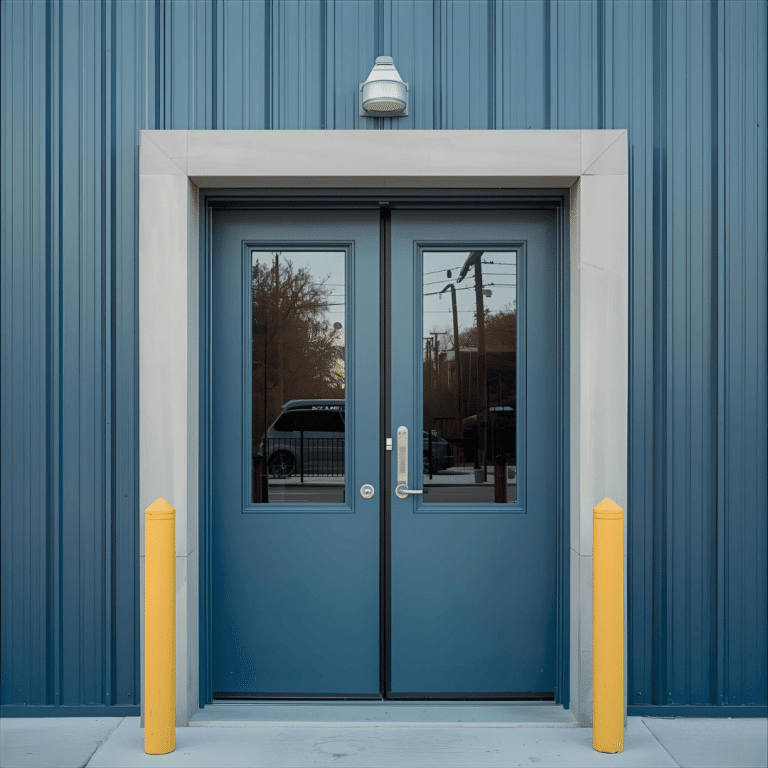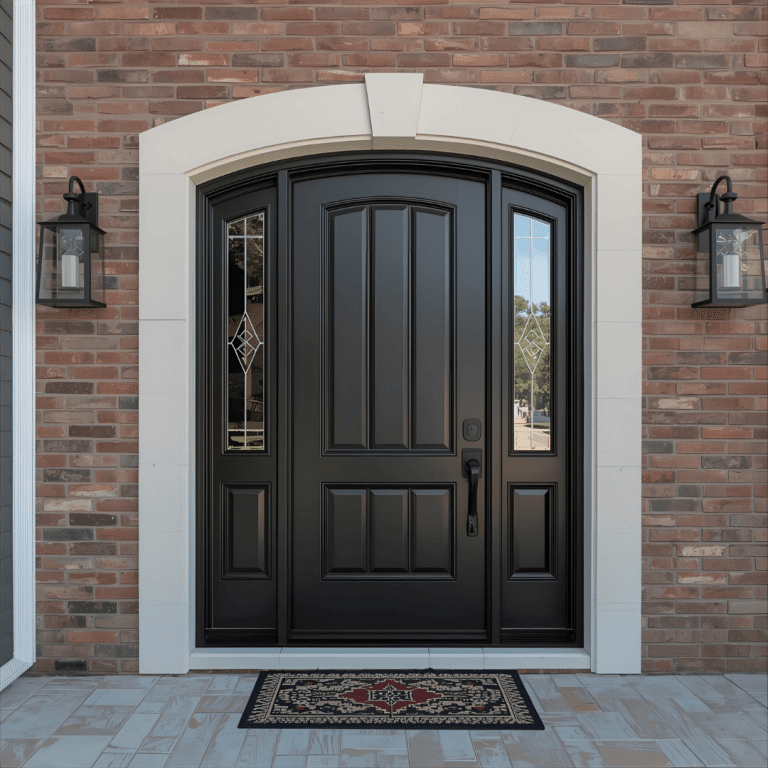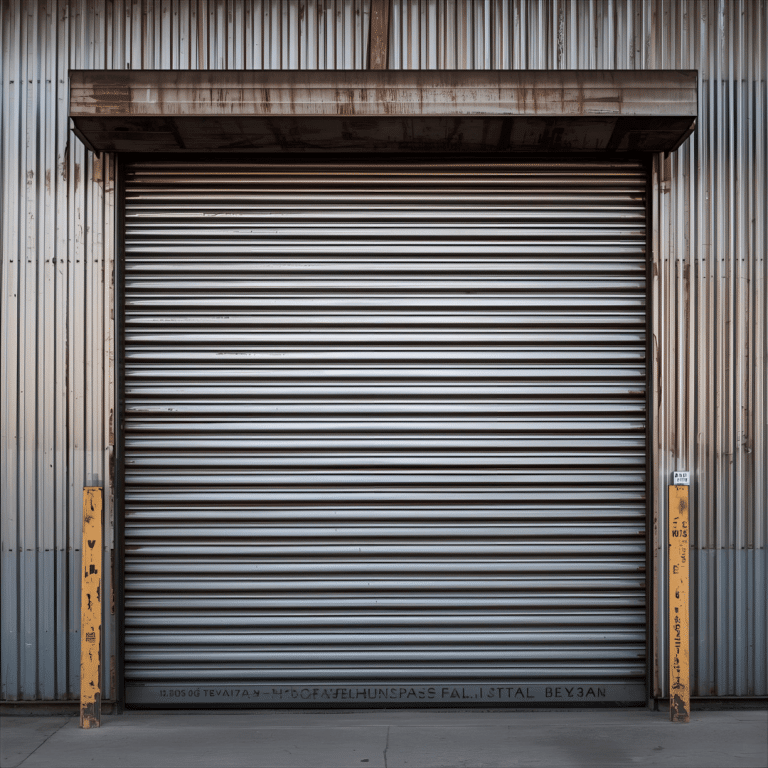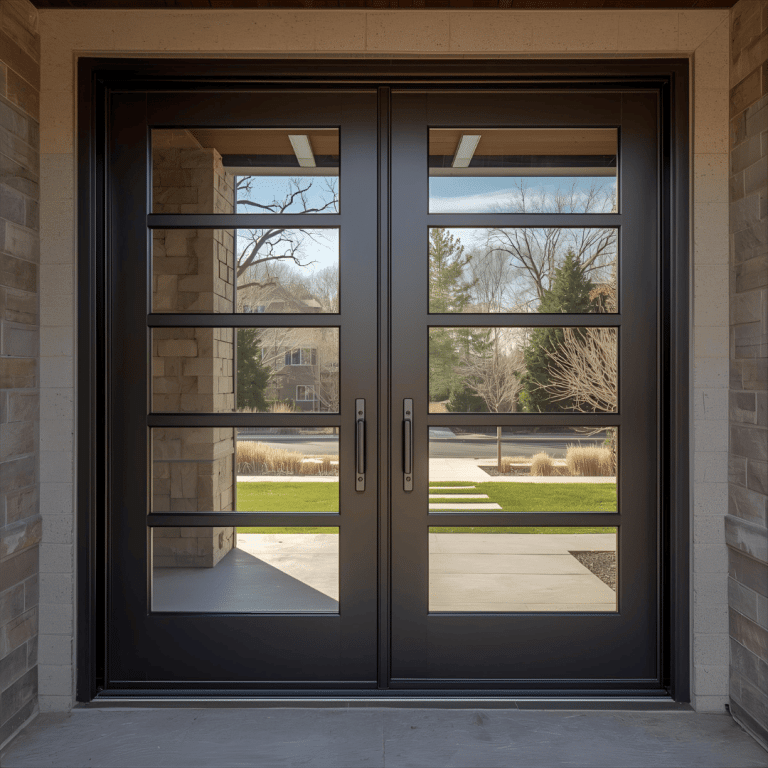

Steel Doors and Frames in USA: A Practical, Experience-Backed Guide
Table of Contents
- Introduction
- Featured Definition: Steel Doors and Frames in USA
- Why Steel Doors and Frames Matter in the United States
- Common Applications Across U.S. Building Types
- Materials, Gauges, and Construction Explained
- Fire Ratings, Safety, and Administrative Compliance
- Manufacturing, Sourcing, and Lead Times (USA vs Offshore)
- Installation Best Practices in the United States
- Maintenance, Lifecycle Costs, and Sustainability
- Cost Factors and Budget Planning
- Comparison Table: Onshore vs Offshore Supply
- Numbered Checklist: How to Specify Steel Doors and Frames in USA
- People Also Ask: Steel Doors and Frames in USA
- Expert Q&A: Advanced Questions
- Conclusion and Next Steps
1) Introduction
When owners, architects, and contractors search for steel doors and frames in USA, they’re usually balancing safety, durability, cost, and code requirements unique to the United States. From my experience working with commercial and multi-family projects, most issues don’t come from the door itself—but from unclear specs, mismatched frames, or misunderstood compliance steps. This guide breaks down the what, why, and how of steel doors and frames with U.S. context, plain language, and verifiable sources—so you can make confident, reader-first decisions.
2) Featured Definition: Steel Doors and Frames in USA (40–55 words)
Steel doors and frames in USA are commercial-grade door assemblies manufactured and specified to meet U.S. building codes, fire ratings, and safety standards. They are widely used in American commercial, industrial, and residential projects because they provide durability, fire resistance, security, and long-term value when properly specified and installed.
3) Why Steel Doors and Frames Matter in the United States
Steel doors and frames are not just a design choice in the U.S.—they are often a practical necessity. American building environments demand materials that can withstand heavy traffic, meet fire separation requirements, and comply with nationally adopted codes.
Key reasons they dominate U.S. projects include:
- Fire and life safety: Many occupancies require fire-rated openings.
- Durability: Steel outlasts wood or aluminum in high-use areas.
- Security: Steel resists forced entry better than lighter materials.
- Standardization: U.S. construction relies heavily on standardized sizes and ratings, making steel easier to integrate.
According to the Steel Door Institute (SDI), properly specified steel doors can last the full lifecycle of a building with minimal maintenance, which is a major reason they’re favored in schools, hospitals, and government facilities (Steel Door Institute).
4) Common Applications Across U.S. Building Types
Steel doors and frames in USA are used across almost every sector. Understanding where they are typically specified helps clarify why certain features are required.
Commercial Buildings
- Office buildings
- Retail stores
- Hotels
Institutional Facilities
- Schools and universities
- Hospitals and clinics
- Government buildings
Industrial & Infrastructure
- Warehouses
- Manufacturing plants
- Data centers
Multi-Family Residential
- Apartment corridors
- Stairwells
- Mechanical and electrical rooms
In most U.S. jurisdictions, these applications trigger fire-rated assemblies and accessibility considerations.
5) Materials, Gauges, and Construction Explained
One of the most confusing aspects of steel doors and frames in USA is gauge thickness. Gauge refers to steel thickness—lower numbers mean thicker steel.
Common U.S. Gauges
- 16 gauge: Heavy-duty, high-abuse areas
- 18 gauge: Standard commercial use
- 20 gauge: Light-duty or interior openings
Door construction basics:
- Face sheets: Steel skins on both sides
- Core: Honeycomb, polystyrene, polyurethane, or mineral core
- Edge construction: Welded or mechanically interlocked
From my experience, most U.S. commercial specs default to 18-gauge doors with 16-gauge frames for durability and hinge reinforcement.
6) Fire Ratings, Safety, and Administrative Compliance
Fire ratings are a central reason steel doors and frames are specified in the United States. While this is not legal advice, understanding the administrative process is critical.
Typical Fire Ratings in USA
- 20 minutes
- 45 minutes
- 60 minutes
- 90 minutes
- 180 minutes
Fire-rated doors must be tested and labeled by recognized testing agencies. In the U.S., this typically aligns with standards referenced by the National Fire Protection Association (NFPA) and building codes adopted by states and municipalities.
According to NFPA 80, fire door assemblies must be installed, inspected, and maintained to perform as intended during a fire (NFPA). Always treat compliance as an administrative coordination task reviewed by licensed professionals.
7) Manufacturing, Sourcing, and Lead Times (USA Context)
Buyers searching for steel doors and frames in USA often ask whether to source domestically or offshore. Each option has trade-offs.
Domestic manufacturing advantages:
- Shorter lead times
- Easier communication
- Familiarity with U.S. standards
Offshore manufacturing advantages:
- Competitive pricing
- High-volume production capacity
From firsthand experience, many U.S. projects use a hybrid approach—standard doors offshore, custom or fast-track items domestically.
8) Installation Best Practices in the United States
Even the best steel door fails if installation is poor. In the U.S., installation issues are one of the top reasons for failed inspections.
Key installation principles:
- Frames must be plumb, square, and anchored correctly.
- Fire-rated labels must remain intact.
- Hardware must match the door’s rating.
Coordination between the door supplier, installer, and inspector is essential to avoid rework.
9) Maintenance, Lifecycle Costs, and Sustainability
Steel doors and frames in USA are favored for lifecycle value, not just upfront cost.
Maintenance Advantages
- Resistant to warping and rot
- Easy to repaint or refinish
- Hardware can be replaced without replacing the door
Sustainability Notes
Steel is one of the most recycled materials globally. Many U.S. manufacturers incorporate recycled content, which can support sustainability goals and documentation efforts. The U.S. Green Building Council recognizes material durability as a contributor to long-term environmental performance (USGBC).
10) Cost Factors and Budget Planning
Costs for steel doors and frames in USA vary based on:
- Gauge and door size
- Fire rating
- Hardware preparation
- Finish type
- Quantity and lead time
Estimated ranges (non-guaranteed):
- Standard hollow metal door: lower hundreds (USD)
- Fire-rated assemblies with hardware: higher hundreds to low thousands
Always request itemized quotes to compare value—not just price.
11) Comparison Table: Onshore vs Offshore Supply
| Factor | USA-Made | Offshore-Made |
|---|---|---|
| Lead Time | Shorter | Longer |
| Price | Higher | Lower |
| Code Familiarity | High | Varies |
| Customization | Flexible | Limited on small runs |
| Logistics Risk | Low | Moderate |
12) Numbered Checklist: How to Specify Steel Doors and Frames in USA
- Identify occupancy type and fire rating needs
- Confirm door and frame gauge requirements
- Select appropriate core and edge construction
- Coordinate hardware and accessibility needs
- Verify labeling and testing documentation
- Confirm installation responsibilities
- Plan inspection and maintenance procedures
13) People Also Ask: Steel Doors and Frames in USA
Are steel doors required by U.S. building codes?
Not always, but many occupancies require fire-rated door assemblies, which are most commonly steel in the United States.
How long do steel doors last in commercial buildings?
With proper installation and maintenance, steel doors can last decades—often the life of the building.
Are steel doors energy efficient?
Yes. Insulated cores and proper gasketing help meet U.S. energy performance expectations.
Can steel doors be used in residential projects?
Yes, especially in multi-family buildings, garages, and fire-separation locations.
14) Expert Q&A: Advanced Questions
Q1: How do U.S. fire inspections affect steel door selection?
Inspections focus on labeling, clearances, hardware, and self-closing devices. Selecting compliant assemblies upfront reduces inspection failures.
Q2: What is the most common mistake when specifying frames?
Mismatched wall thickness. Frames must match actual wall construction—not just drawings.
Q3: Do steel doors limit design flexibility?
No. Modern steel doors can be finished, glazed, or detailed to meet architectural goals.
Q4: How does hardware preparation impact cost?
Pre-cut and reinforced doors reduce field labor but slightly increase upfront cost—often a net savings.
Q5: Are custom sizes common in the U.S.?
Standard sizes dominate, but custom doors are used where existing conditions require them.
15) Conclusion and Next Steps
Choosing the right steel doors and frames in USA is about more than checking a box—it’s about safety, durability, and long-term value. When specifications align with U.S. standards, installation realities, and lifecycle goals, steel doors consistently deliver reliable performance.
If you’re evaluating options or planning your next project, explore practical solutions and specifications from commercial steel door solutions designed for U.S. projects to move forward with clarity and confidence.