
Ultimate Guide to Steel Doors in USA: Security & Value
Table of Contents
- Introduction: The_Modern_Case_for_a_Steel_Door
- What Are Steel Doors in the USA? (Featured Snippet)
- Why Choose Steel Doors in the USA? The Core Benefits
- Unmatched Security and Durability
- Exceptional Energy Efficiency for US Climates
- Low Maintenance and Weather Resistance
- Superior Fire Protection
- Decoding the Specs: How to Read a Steel Door Label
- Steel Gauge Explained: Why Lower is Stronger
- The Core of the Matter: Insulation Types
- Comparison: Polyurethane vs. Polystyrene Core
- People Also Ask: Quick Answers on Steel Doors in the USA
- Choosing the Right Steel Door for Your US Region
- Considerations for Coastal & Humid Areas
- Specs for Cold Climates (Northeast & Midwest)
- A Note on US Building Codes and HOAs
- Installation and Maintenance of Steel Doors in the USA
- DIY vs. Professional Installation: A Realistic Look
- Checklist: Preparing for Your New Door Installation
- The New Look of Steel: Aesthetics and Customization
- In-Depth Q&A on Steel Doors in USA
- Conclusion: The Smart Investment for Your US Home
1. Introduction: The Modern Case for a Steel Door
A front door is more than just an entryway; it’s the primary defense for your home, a key regulator of your energy bills, and the centerpiece of your home’s curb appeal. For homeowners across the United States, the choice often comes down to wood, fiberglass, or steel. While wood offers classic charm and fiberglass boasts dent resistance, the modern steel door has emerged as a front-runner for its unparalleled combination of security, thermal performance, and sheer value. However, choosing the right steel doors in USA involves navigating a sea of options, from steel thickness (gauge) to insulation types and fire ratings.
From my experience helping hundreds of US homeowners upgrade their entryways, I’ve seen firsthand how a high-quality, properly installed steel door can transform a home’s security and energy profile. This guide is designed to cut through the marketing hype and give you the practical, fact-based information you need. We’ll explore why steel is a dominant material in the American market, what specifications truly matter for your climate, and how to select a door that provides peace of mind and lasting value for decades.
2. What Are Steel Doors in the USA? (Featured Snippet)
Steel doors in USA are popular residential and commercial entry solutions known for their exceptional strength, security, and durability. They typically feature a 20- to 26-gauge steel skin over an insulated foam core, offering high energy efficiency and fire resistance. This construction makes them a practical, low-maintenance, and cost-effective choice for American properties.
3. Why Choose Steel Doors in the USA? The Core Benefits
When you’re weighing your options, the “why” behind steel becomes crystal clear. This isn’t the hollow, uninsulated metal door you might remember from a utility shed. Today’s steel doors are precision-engineered systems.
Unmatched Security and Durability
This is, without a doubt, the number one reason clients in the US choose steel.
- Sheer Strength: Steel is inherently stronger than wood or fiberglass. It doesn’t crack, warp, or bow under pressure or from extreme weather changes, which is a common complaint with wooden doors in fluctuating US climates.
- Forced Entry Resistance: A steel door, especially one with a steel frame and a lower gauge (thicker) skin, is exceptionally difficult to kick in or pry open. The steel edge and lock-side reinforcements create a formidable barrier. From my experience, a properly installed steel door with a high-quality deadbolt is the single best security upgrade you can make to your home’s perimeter.
Exceptional Energy Efficiency for US Climates
It’s a common misconception that steel doors are cold. The steel is just a skin; the real performer is the insulated core.
- High R-Value: Most steel doors are injected with a high-density polyurethane or polystyrene foam, creating an insulated barrier with an R-value (a measure of thermal resistance) that can be five times greater than that of a solid wood door of the same size.
- ENERGY STAR® Rating: This high R-value means the door is incredibly effective at keeping your heated air inside during a Boston winter and your air-conditioned air inside during a Phoenix summer. Many steel doors meet the strict criteria to be ENERGY STAR certified models, which can lower your utility bills and may even qualify you for local energy rebates.
- Thermal Break: Quality steel doors designed for cold climates feature a “thermal break”—a composite material that separates the interior and exterior steel skins. This prevents the transfer of cold and stops frost from forming on the inside of your door.
Low Maintenance and Weather Resistance
If you’re tired of sanding, staining, and painting a wooden door every few years, steel is your solution.
- Minimal Upkeep: Modern steel doors come with a factory-applied, baked-on primer and finish that is incredibly tough. An occasional wipe-down with mild soap and water is typically all that’s required.
- Rust Resistance: This is a common concern, but it’s largely a problem of the past. Today’s doors are made from galvanized (zinc-coated) steel, which chemically resists rust and corrosion, even in damp or coastal US climates. Unless the finish is deeply gouged down to the bare metal and left untreated, rust is simply not an issue.
Superior Fire Protection
Safety is a key component of security. Steel doors are naturally fire-resistant. Unlike wood or fiberglass, steel does not burn. Many steel doors carry a 20-minute fire rating, which is often required by US building codes for the door connecting your garage to your home. This rating means the door can withstand intense heat and block the spread of a fire for 20 minutes, giving your family critical time to escape. This is often guided by National Fire Protection Association (NFPA) standards, which set the benchmark for fire safety in building construction.
4. Decoding the Specs: How to Read a Steel Door Label
When shopping, you’ll be hit with terms like “24-gauge” and “polyurethane core.” Here’s what you actually need to know.
Steel Gauge Explained: Why Lower is Stronger
The single most important specification for security is the gauge of the steel. In the world of sheet metal, the terminology is counter-intuitive: the lower the gauge number, the thicker and stronger the steel.
- 20-22 Gauge: This is a premium, heavy-duty range. You’ll find this on high-end residential doors. The steel is noticeably thicker and far more resistant to dents and forced entry. I always recommend at least 22-gauge for a primary entry door.
- 24-26 Gauge: This is the most common and budget-friendly range. A 24-gauge door is still a very secure and effective option for most US homes. I would be cautious about doors thinner than 26-gauge, as they can be more susceptible to dents from everyday impacts.
The Core of the Matter: Insulation Types
The material inside the steel skins dictates your door’s energy efficiency (R-value) and sound-dampening qualities.
- Polyurethane Foam: This is the superior, high-end option. The foam is injected as a liquid and expands to fill every single cavity inside the door panel, bonding directly to the steel skins. This creates an incredibly strong, rigid panel with the highest possible R-value (typically R-12 to R-16).
- Polystyrene Foam: This is a solid, rigid foam board (like a styrofoam cooler) that is cut to size and placed inside the door. It’s a very good, cost-effective insulator (typically R-8 to R-10) but doesn’t offer the same structural rigidity or complete, gap-free insulation as polyurethane.
- Honeycomb Core: You may see this on very cheap, interior, or light-commercial doors. It’s essentially a cardboard or paper-based honeycomb structure. It offers minimal insulation and sound-proofing and should be avoided for any exterior residential application in the US.
Comparison: Polyurethane vs. Polystyrene Core
| Feature | Polyurethane Core | Polystyrene Core |
| Insulation (R-Value) | Highest (R-12 to R-16) | Good (R-8 to R-10) |
| Structural Rigidity | Excellent. Bonds to steel, increasing strength. | Good. Acts as a panel but doesn’t bond. |
| Sound Dampening | Excellent. Fills all cavities, muffling sound. | Good. Effective, but small gaps can exist. |
| Cost | Higher | More Budget-Friendly |
| Best For | All US climates, especially very cold or hot zones. | Moderate US climates; budget-conscious buyers. |
Pro Tip: From my experience, the upgrade to a polyurethane core is almost always worth the investment, especially in states with extreme winters or summers. The long-term energy savings and the solid, substantial feel of the door are significant benefits.
5. People Also Ask: Quick Answers on Steel Doors in the USA
- Are steel doors better than fiberglass?It’s a trade-off. Steel is generally stronger, more secure, and less expensive. Fiberglass is more resistant to dents and scratches and often offers a more realistic wood-grain texture. Both are excellent, energy-efficient choices for US homes.
- Do steel doors rust in the USA?Modern, high-quality steel doors do not rust under normal conditions. They are made from galvanized (zinc-coated) steel and have durable, factory-applied finishes. Rust would only become a problem if the door was deeply scratched to the bare metal and left un-repaired in a very wet environment.
- How much do steel doors cost in the US?Costs vary dramatically. A basic, 24-gauge, unpainted steel utility door from a big-box store might start around $250. A high-end, 20-gauge, polyurethane-insulated steel entry system with decorative glass, sidelights, and a premium finish can cost $3,000 to $6,000 or more, plus installation.
- Are steel doors energy efficient?Yes, exceptionally so. A steel door’s efficiency comes from its insulated foam core, not the steel itself. A quality steel door has a much higher R-value than a solid wood door and provides an excellent seal against drafts, saving money on US energy bills.
6. Choosing the Right Steel Door for Your US Region
The “best” steel door in USA is highly dependent on your location. A door that’s perfect for Miami will fail in Minneapolis if not specced correctly.
Considerations for Coastal & Humid Areas (e.g., Florida, Gulf Coast, Southeast)
- Priority: Corrosion and impact resistance.
- What to look for: While galvanization is standard, look for doors with a high-quality, factory-applied paint or PVC-vinyl coating for an extra layer of protection against salt and moisture. In hurricane-prone areas, you must look for doors with a specific “impact rating” or “hurricane rating” to comply with local building codes.
Specs for Cold Climates (e.g., Northeast, Midwest)
- Priority: Maximum thermal performance.
- What to look for:
- Polyurethane Core: Non-negotiable for the highest R-value.
- Thermal Break: Essential to prevent frost from building up on the inside of the door.
- High-Quality Weatherstripping: Look for a system with a magnetic or compression seal and a bottom sweep that creates a tight barrier against drafts.
A Note on US Building Codes and HOAs
Before you buy, always check two things. First, your local building codes, especially for fire-rating requirements (like the garage-to-home door) or impact ratings (in coastal areas). Second, if you live in a community governed by a Homeowners Association (HOA), check their bylaws. They often have strict rules about front door styles and colors.
7. Installation and Maintenance of Steel Doors in the USA
A $5,000 door installed poorly will perform worse than a $500 door installed perfectly. The installation is critical.
DIY vs. Professional Installation: A Realistic Look
I’ve seen many ambitious DIY projects go wrong. While replacing a “slab” (the door only) is sometimes possible, most modern entry doors are sold as “pre-hung” systems, which include the door, frame, and threshold. Installing a pre-hung unit requires it to be perfectly level, plumb, and square. If it’s even 1/8th of an inch off, the door will not seal correctly, leading to drafts, water leaks, and a lock that doesn’t engage properly.
Unless you are a very experienced carpenter, I strongly recommend a professional installation. This ensures your warranty is valid, the door seals properly for maximum energy efficiency, and the security features are all correctly aligned.
Checklist: Preparing for Your New Door Installation
- Clear the Area: Ensure your installer has a wide-open space to work, both inside and outside the entryway. Move furniture, rugs, and any wall hangings near the door.
- Protect Your Floors: Lay down drop cloths or cardboard to protect your flooring from tools and debris.
- Secure Pets: For their safety and to prevent escapes, keep pets in a separate, secure room.
- Check the New Door: Before the old door comes off, inspect the new, pre-hung unit with the installer. Confirm the style, color, finish, and (especially) the swing direction (inswing/outswing, left-hand/right-hand) are all correct.
- Discuss the Trim: Talk to the installer about the plan for the interior and exterior trim (casing). Will the old trim be re-used, or will new trim be installed?
- Allow Time: A standard, single-door replacement can take a professional 3-5 hours. Be patient and let them do the job right.
Maintenance Tip: Your steel door is low-maintenance, not no-maintenance. Once a year, check and clean the weatherstripping and bottom sweep. If you see any deep scratches that show bare metal, clean the spot and apply a small dab of touch-up paint (available from the manufacturer) to prevent any chance of rust. For expert advice on this, this guide on painting metal doors from This Old House provides a great overview.
8. The New Look of Steel: Aesthetics and Customization
Forget the idea of a flat, gray, industrial-looking door. The
steel door industry in the USA has undergone a design revolution.
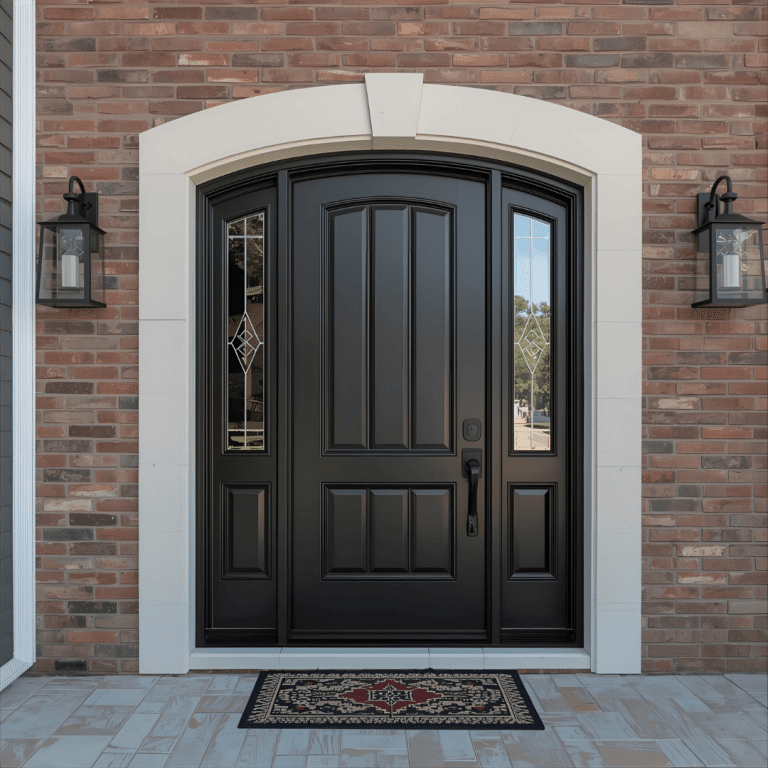
- Finishes: You are no longer limited to basic white or beige. Modern steel doors can be factory-painted in a huge spectrum of colors, from bold reds to subtle charcoals.
- Wood-Grain Texture: The most significant advancement is the high-definition, embossed wood-grain finish. A high-quality steel door can mimic the look and feel of an oak, mahogany, or fir door so realistically that it’s difficult to tell the difference from the curb.
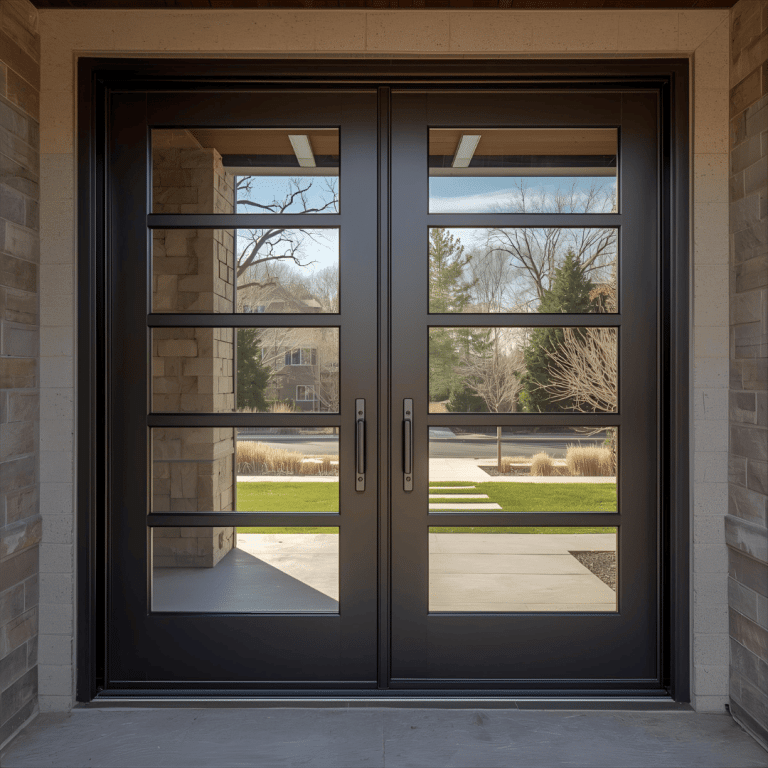
- Glass Inserts (“Lites”): You can customize your door with a huge variety of glass options—from full-view glass panels for a modern look to decorative, privacy, or frosted glass that lets in light while obscuring the view.
9. In-Depth Q&A on Steel Doors in USA
- Q1: What is a “thermal break” in a steel door and do I need one in the US?A thermal break is a small strip of non-conductive material (like a composite or vinyl) that is placed between the inside and outside steel skins of the door, usually in the frame. Steel is a conductor, so on a very cold day, the outside steel gets cold. Without a thermal break, this cold would travel directly to the inside steel, causing condensation or frost to form on your interior door surface. If you live in a US climate with cold winters (anywhere in the Northern or Central US), a thermal break is absolutely essential.
- Q2: What is the difference between a 20-gauge and a 24-gauge steel door?This is a common point of confusion. The lower the gauge number, the thicker the steel. A 20-gauge steel door is significantly thicker, stronger, and more dent-resistant than a 24-gauge door. A 24-gauge door is a solid standard, but a 20- or 22-gauge door is a “premium” security upgrade.
- Q3: What do fire ratings (e.g., 20-minute) on steel doors mean?A fire rating indicates how long a door and frame assembly can withstand a standardized fire test and prevent the spread of flames and, to some extent, heat. A “20-minute” rating is the most common for residential use and is often required by US building codes for the door between an attached garage and the living area of a house.
- Q4: How do I maintain my steel door to maximize its lifespan in the US climate?Maintenance is minimal. Once a year, wipe down the door surface with a soft cloth and mild dish soap. Check the weather-stripping for any cracks or compression and replace it if it’s no longer sealing. Lubricate the hinges and lockset with a graphite-based lubricant. Finally, inspect the finish for any deep scratches and apply touch-up paint immediately to protect the galvanized steel underneath.
- Q5: Can I replace just the steel door ‘slab’ or do I need the whole frame (a ‘pre-hung’ system)?While you can buy just the “slab” (the door itself), it is almost always a bad idea for an exterior door. Getting a new slab to fit an old, existing frame perfectly is incredibly difficult, even for a professional. The house may have settled, and the old frame may no longer be perfectly square. This leads to gaps, drafts, and security issues. A “pre-hung” system includes the door, frame, threshold, and weather-stripping, all factory-engineered to work together for a perfect, weather-tight seal.
10. Conclusion: The Smart Investment for Your US Home
A steel door is no longer just a “security” door; it’s an “everything” door. It is an investment that pays you back with unparalleled peace of mind, lower energy bills, and decades of reliable performance with minimal upkeep. By understanding the key specifications—like a low gauge for strength, a polyurethane core for insulation, and a thermal break for cold climates—you can confidently select a product that is perfectly suited to your US home.
If you are ready to enhance your home’s security, efficiency, and curb appeal, a modern steel door is one of the most intelligent upgrades you can make. We invite you to explore our collection of premium steel entry doors and find the perfect fit to protect and beautify your home for years to come.